
Related knowledge

Table of contents Unlock Zen: Transform Your Style with a Buddhist Necklace Introduction to Buddhist Necklaces What are Buddhist Necklaces? The Cultural Significance of Buddhist Necklaces History and Evolution of...

Understanding Spiritual Gifts in Buddhist Tradition The journey toward spiritual enlightenment often reveals latent abilities and sensitivities many overlook in daily life. In Buddhist philosophy, these innate capabilities—often referred to...
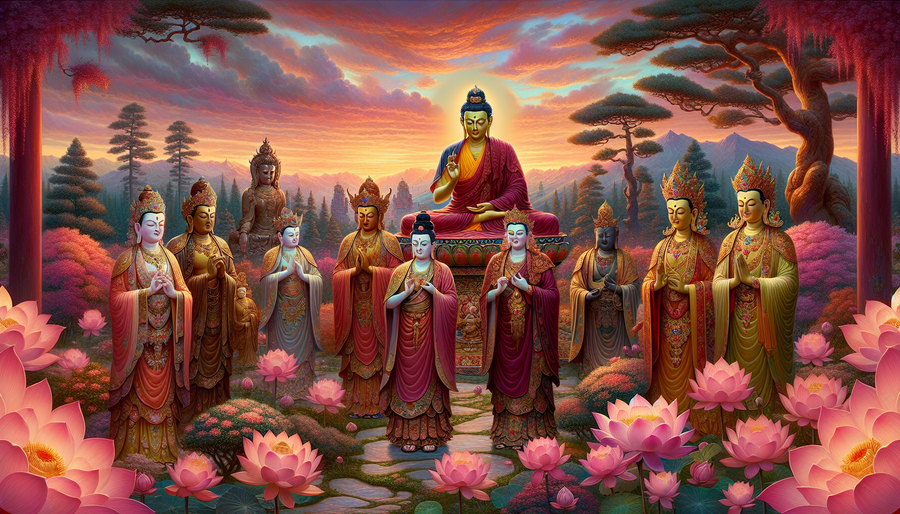
Understanding Buddhist Statues: The Embodiment of Spiritual Teachings Buddhist statues, also known as Buddha rupas, are far more than decorative art pieces. These sacred objects serve as profound visual representations...
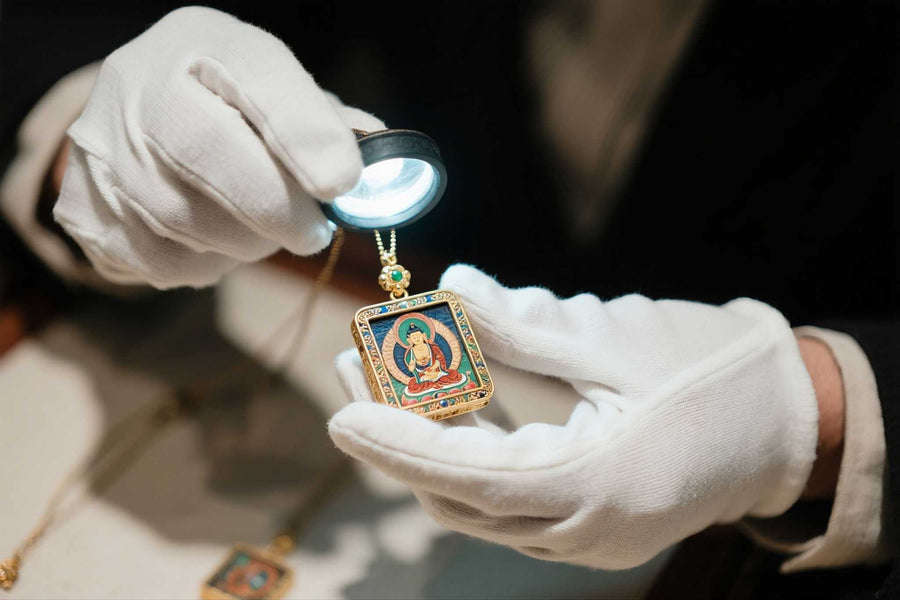
The Spiritual Significance of Buddha Pendants In the realm of spiritual jewelry, the Buddha pendant stands as a beacon of tranquility and enlightenment. These exquisite adornments transcend mere aesthetic appeal,...

The Ancient Art of Thangka: A Sacred Tibetan Tradition Thangka art represents one of Buddhism's most venerable and enchanting artistic traditions. These meticulously crafted religious paintings have adorned monastery walls...
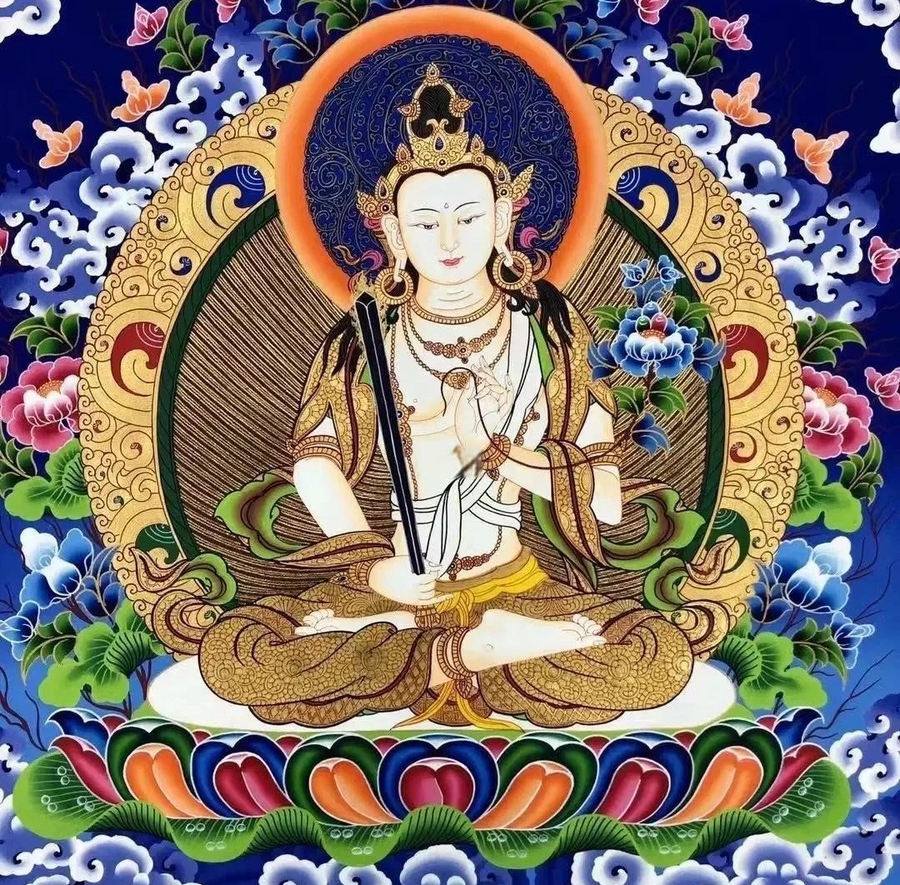
The role of Akasagarbha Bodhisattva revolves around the treasure of wisdom and the power to satisfy wishes, with far-reaching and extensive worldly and transcendental benefits: Increase wisdom: The most fundamental...
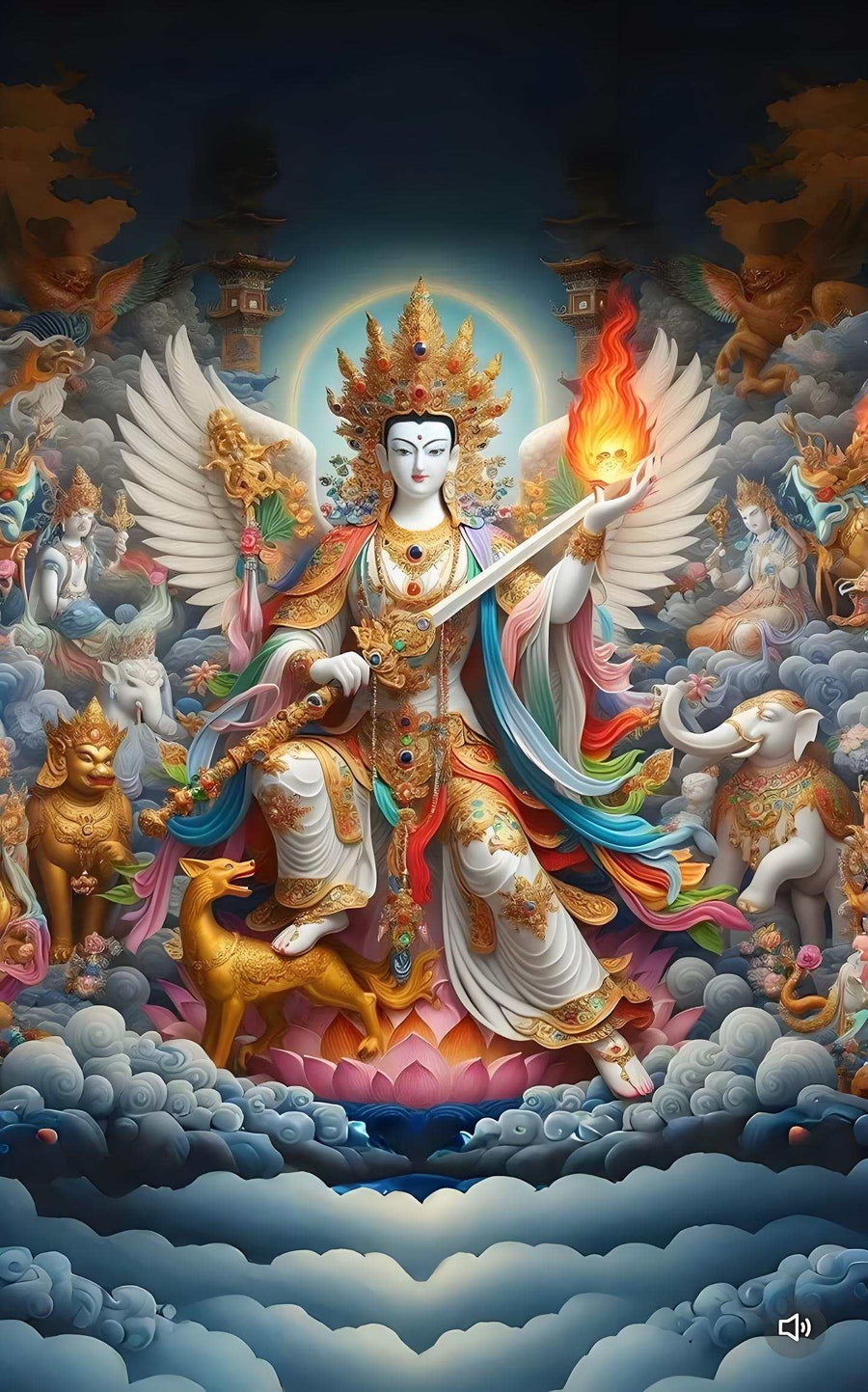
Void Bodhisattva (Sanskrit: आक LGBT शगगभ [Ā k ā ś agarbha], Tibetan: ནམ་མཁའ་སྙང་པ།) is a great bodhisattva in Buddhism, symbolizing vast wisdom and treasures like the void. He is regarded...
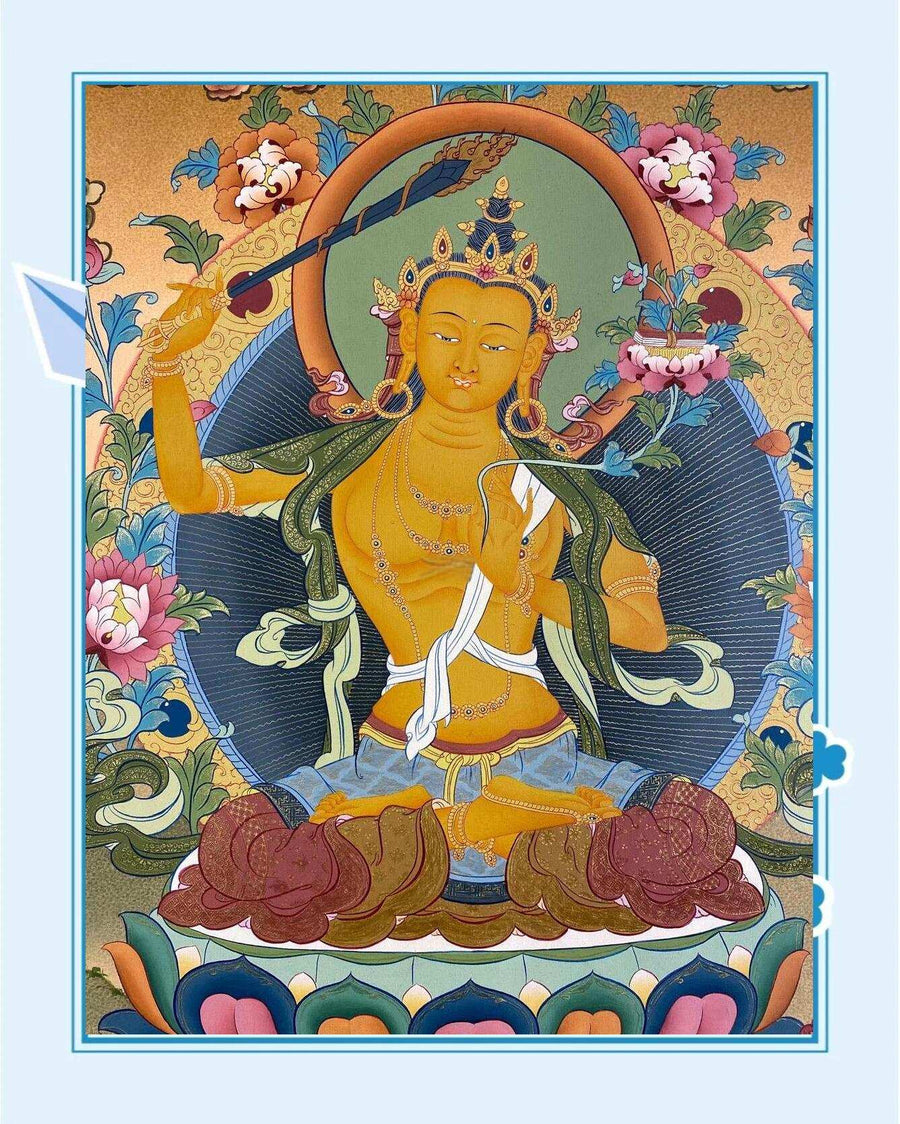
Manjusri (Sanskrit: Mañjuśrī, meaning "wonderful auspiciousness") is the core Bodhisattva in Mahayana Buddhism that symbolizes supreme wisdom. He is revered as the "teacher of all Buddhas" and the "mother of...
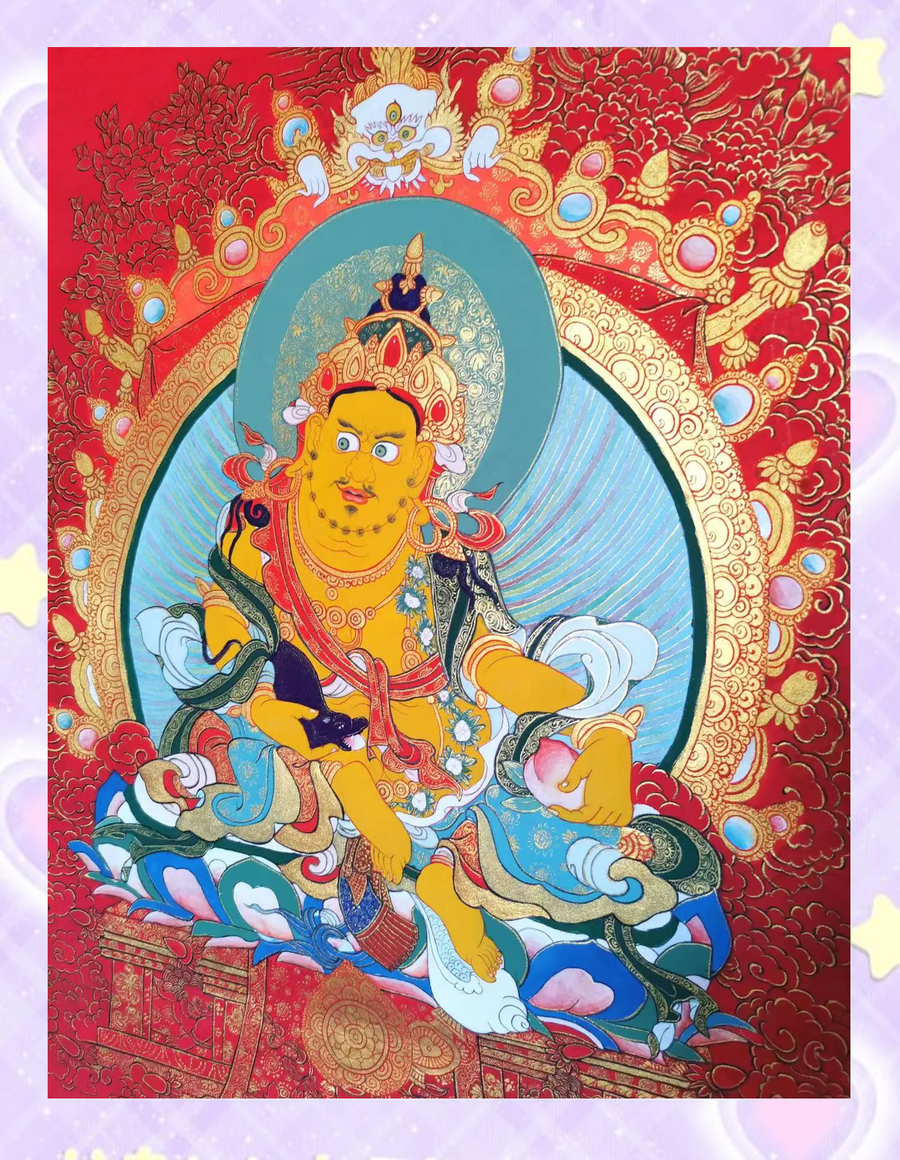
The role of the Yellow God of Wealth mainly revolves around "wealth", but it has profound secular and religious significance: Increase wealth: The most direct effect. May the believers be...
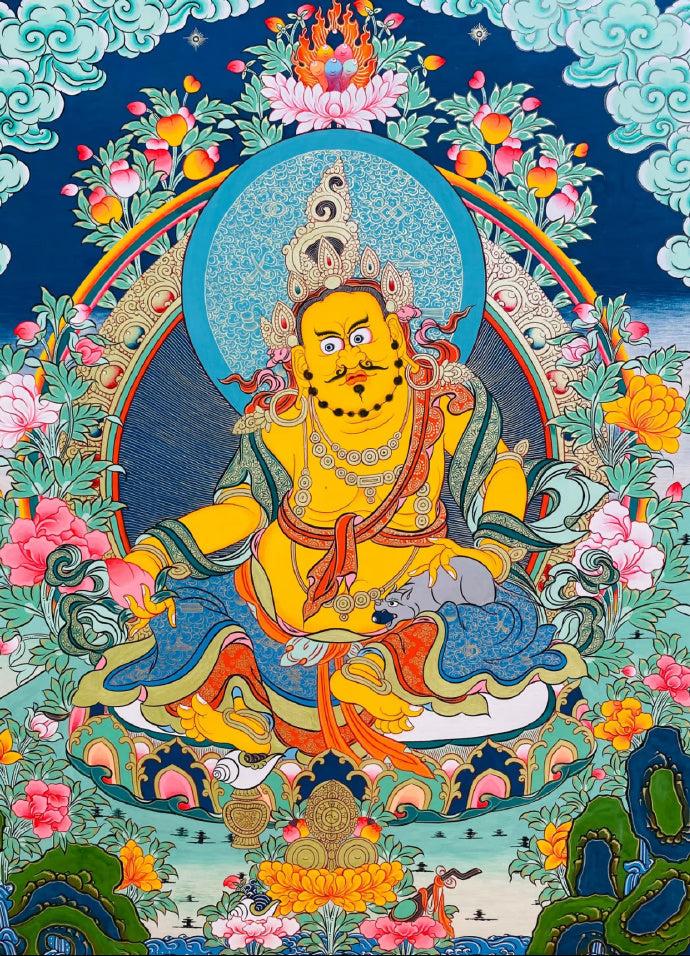
Yellow Jambhala (Tibetan: ནོར་ལྷ་གསེར་པོ།; Norlha gser po; Sanskrit: Jambhala (Jambala)) is one of the most important gods of wealth in Tibetan Buddhism. He is the leader of the five major...