The 7-Step Process Behind a Hand-Painted Thangka Pendant: From Sketch to Blessing
chenHenryIntroduction: A Pendant That Holds More Than Beauty
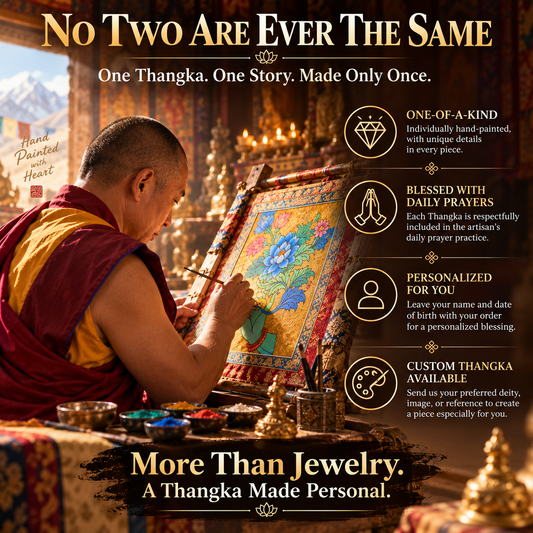
A hand-painted Thangka pendant is not created in minutes or hours—it is crafted through a spiritual and artistic journey that has been followed by Tibetan artists for centuries.
Every line, every color, every finishing touch carries meaning, discipline, and devotion.
This is what makes a hand-painted Thangka pendant different from machine-made religious jewelry—it is truly a piece of sacred art.
Here are the 7 traditional steps behind each pendant.
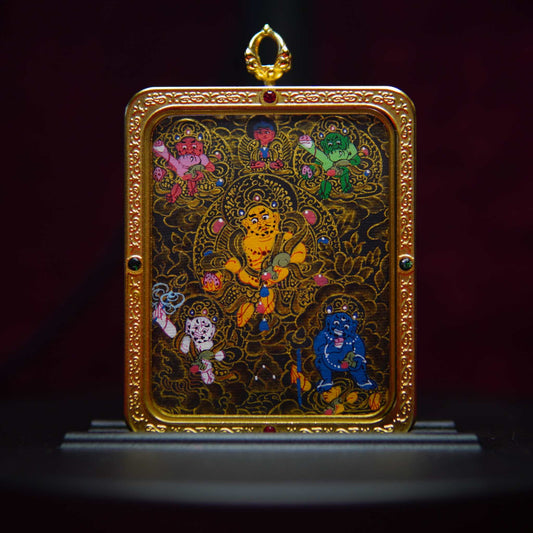
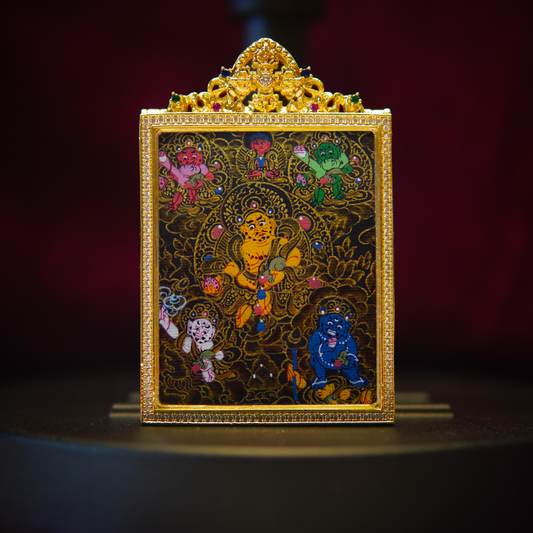
Hand-Painted Red Thangka Six Directions Wealth Gods Pendant
1. Drafting the Sacred Sketch (起稿)
The process begins with a precise pencil sketch based on centuries-old measurements known as “divine proportions.”
These rules ensure the deity’s posture, body structure, and facial features follow traditional Buddhist iconography.
The artist must understand:
* the deity’s symbolism
* hand gestures (mudras)
* rituals associated with the figure
A correct sketch is the foundation of the entire pendant.

2. Outlining the Form (勾线)
Once the sketch is approved, the artist uses a fine brush and black mineral pigment to outline the deity.
This step requires an extremely steady hand, because the outline sets the clarity and purity of the final artwork.
It is said that a skilled Thangka artist can draw a straight line in one breath—a testament to years of training and meditative discipline.
3. Applying the Base Colors (铺色)
The artist fills in the large areas with natural mineral pigments—deep reds, rich blues, emerald greens, and gold tones.
These colors are hand-ground and mixed with glue or water using traditional formulas.
The goal at this stage is to create harmony in:
* color balance
* light and shadow
* symbolic meaning
For example:
- Green symbolizes compassion and activity
* Gold symbolizes abundance and divine light
* Blue symbolizes purity and wisdom
4. Layering and Shading (染色)
After the base layer dries, artists begin adding multiple layers of soft gradients to give depth to the deity’s clothing, skin, and surroundings.
This is what brings the pendant to life.
Shading requires:
* patience
* precision
* a deep understanding of light in Buddhist art
This stage often takes longer than the initial painting itself.

5. Painting the Fine Details (加细节)
Once the shading is complete, the artist moves to the most time-consuming stage: the details.
This includes:
* the eyes of the deity (except the final “opening”)
* jewelry
* clothing patterns
* lotus petals
* protective flames
* halos
Each line must be thin, clean, and sacred—not merely decorative.
This is where the pendant becomes truly breathtaking.
6. Gold Embellishment (贴金 / 勾金)
Gold paint or gold leaf is applied to highlight sacred elements:
* the crown
* ornaments
* the aura
* offering bowls
* symbolic implements
Gold symbolizes divine quality, prosperity, and enlightenment.
A pendant with hand-applied gold carries stronger visual and spiritual presence.

7. Opening the Eyes (开眼): The Most Sacred Moment
The final and most important step is the **Opening of the Eyes**.
This is not just painting—the artist “opens” the deity’s vision so it can bring protection, clarity, and blessings to the wearer.
Traditionally, artists do this:
* after washing their hands
* after a moment of quiet meditation
* with full intention and respect
Only after the eyes are opened is the Thangka pendant considered “alive” and ready to offer spiritual guidance.
Why This 7-Step Process Matters
A hand-painted Thangka pendant is:
* slow to make
* difficult to perfect
* spiritually meaningful
* culturally authentic
* one-of-a-kind
This is why collectors, spiritual practitioners, and everyday wearers feel a deep connection with their pendant—it is created with devotion, not machines.
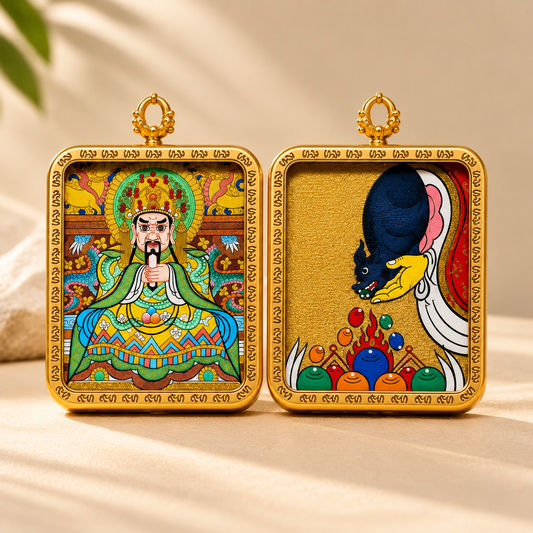
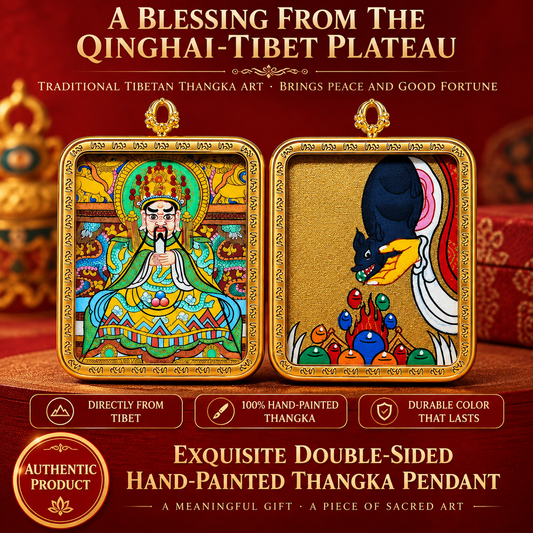
Authentic Six-Road God of Wealth Thangka Pendant Necklace
Free Guidance & Recommended Designs
✨ **Free Consultation:** Tell me what deity or intention you’re drawn to—wealth, protection, compassion, or healing—and I’ll recommend the ideal Thangka pendant for you.
✨ **Explore Our Collection:** Discover *pure hand-painted Thangka pendants* crafted with traditional 7-step techniques.
Your Turn
**Which part of the Thangka painting process fascinates you the most? Tell me—I’d love to know.